RBI Imposes ₹5,000 Withdrawal Cap on Puducherry Co-operative Urban Bank
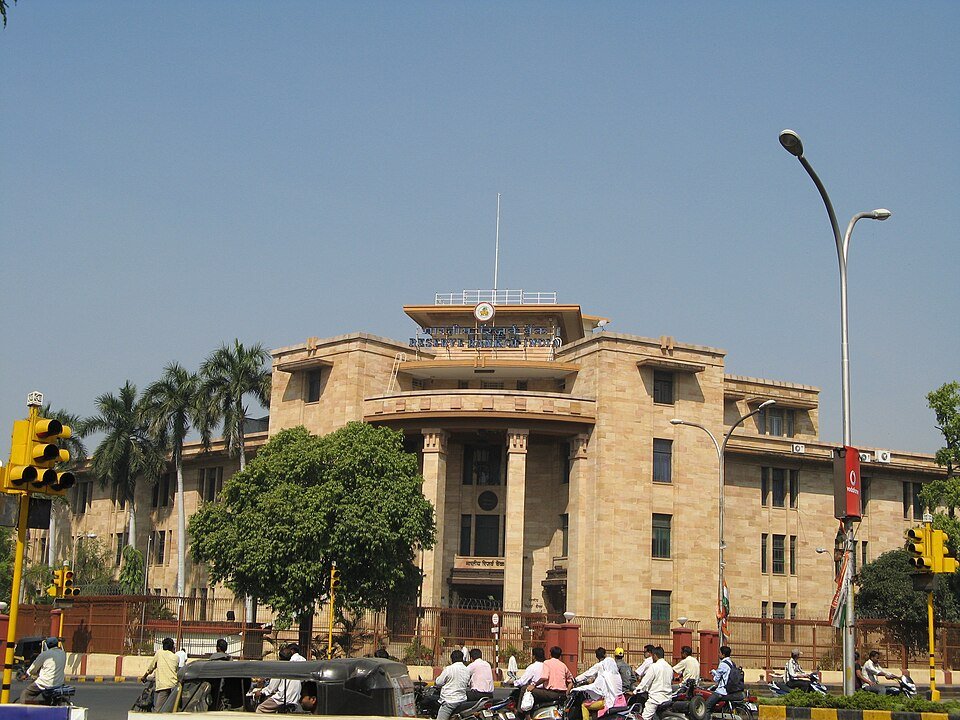
The Reserve Bank of India has clamped operational restrictions and capped withdrawals at ₹5,000 per account for Puducherry Co-operative Urban Bank Ltd. due to a deteriorating liquidity position and persistent supervisory concerns. These regulatory curbs will remain in force for an initial period of six months.
What happened
The Reserve Bank of India (RBI) has issued strict operational directions against Puducherry Co-operative Urban Bank Ltd. under the provisions of the Banking Regulation Act, 1949. The regulatory action was necessitated by the bank's deteriorating liquidity position and the failure of its Board and Senior Management to address ongoing supervisory concerns.
Under the newly imposed directives, depositors are restricted from withdrawing more than an aggregate maximum of ₹5,000 across savings bank, current, or any other accounts. Furthermore, the bank is barred from granting or renewing any loans and advances, making investments, accepting fresh deposits, or disbursing any payments without prior written approval from the RBI.
The RBI has clarified that these directions do not amount to a cancellation of the bank's banking licence. The institution will continue to undertake banking business under strict regulatory restrictions. Eligible depositors remain protected under the Deposit Insurance and Credit Guarantee Corporation (DICGC) Act, 1961, up to a limit of ₹5 lakh.
Important dates
| Directives Effective Date | 21 October 2026 |
|---|---|
| Restriction Tenure | 6 months |
📌 Static GK links
- The Reserve Bank of India (RBI) was established on 1 April 1935 under the Reserve Bank of India Act, 1934, following the recommendations of the Hilton Young Commission.
- Section 35A of the Banking Regulation Act, 1949 empowers the RBI to issue directions to banking companies in the public interest or to prevent the affairs of any bank being conducted in a manner detrimental to the interests of the depositors.
- The Deposit Insurance and Credit Guarantee Corporation (DICGC) is a wholly-owned subsidiary of the RBI and provides deposit insurance up to ₹5,000,000 per depositor per bank.
What candidates should do
- Note the exact withdrawal ceiling amount of ₹5,000 and the initial restriction tenure of six months for current affairs revision.
- Revise the provisions of Section 35A and Section 56 of the Banking Regulation Act, 1949, as they frequently appear in banking awareness questions regarding cooperative banks.
- Understand the scope of DICGC insurance coverage limits for bank depositors.
PrepZen analysis
This regulatory action highlights the RBI's ongoing scrutiny over the financial health and liquidity management of urban co-operative banks (UCBs). For banking aspirants preparing for IBPS, SBI, and RBI exams, questions from this topic typically focus on the statutory section invoked (Section 35A of the Banking Regulation Act, 1949), the exact withdrawal limit, and the role of DICGC in depositor protection. Understanding that regulatory directions do not automatically equate to a cancellation of a banking licence is crucial for conceptual clarity.
Practice questions
Q1. What is the maximum withdrawal limit per account imposed by the RBI on Puducherry Co-operative Urban Bank under the recent restrictions?
Q2. Under which statutory provision did the RBI issue the operational directions to Puducherry Co-operative Urban Bank?
The imposed restrictions will remain in effect for an initial six-month period.
Customers are restricted to a withdrawal ceiling of ₹5,000 per account.
🎯 Key Point: RBI caps withdrawals at ₹5,000 for Puducherry Co-operative Bank.
FAQs
What is the duration of the operational restrictions imposed on Puducherry Co-operative Urban Bank?
The operational restrictions have been imposed for an initial period of six months, subject to regular review by the RBI.
Does the RBI directive mean that the banking licence of Puducherry Co-operative Urban Bank has been cancelled?
No, the RBI clarified that the directions do not constitute a cancellation of the bank's banking licence. The bank will continue to undertake banking business under restrictions until its financial position improves.
What is the deposit insurance coverage available for depositors of the bank?
Eligible depositors are covered up to ₹5 lakh under the Deposit Insurance and Credit Guarantee Corporation (DICGC) Act, 1961.
Can the bank grant fresh loans while these restrictions are in place?
No, the bank cannot grant or renew any loans and advances, make investments, or accept fresh deposits without prior written approval from the RBI.
Sources and references
- rbi.org.in (www.rbi.org.in) Official
- rbi.org.in (rbi.org.in) Official
- rbi.org.in (www.rbi.org.in) Official
- indiancooperative.com (www.indiancooperative.com)
Prepared by PrepZen for exam preparation. Consult the linked sources for original announcements and current details. Corrections policy. Spotted an error? Write to prepzen.app@gmail.com.
Practice Quiz — 21 October 2026
Q1. Under which Article of the Constitution of India is the Governor of a State appointed by the President?
Q2. Who has succeeded Ajit Agarkar as the Chairman of the BCCI Senior Men's Selection Committee?
Q3. Which of the following statements regarding the Ustad Bismillah Khan Yuva Puraskar is correct?
Q4. Which bank was named the 'World's Best Consumer Bank 2026' by Global Finance magazine?
Q5. What is the name of the two-day international central banking seminar inaugurated by RBI in New Delhi?

Keep Learning with PrepZen
Get daily current affairs, live mock tests, mistake bank, vocab builder & more — all free on your phone.