International Day of the Snow Leopard 2026 Observed Globally on 23 October
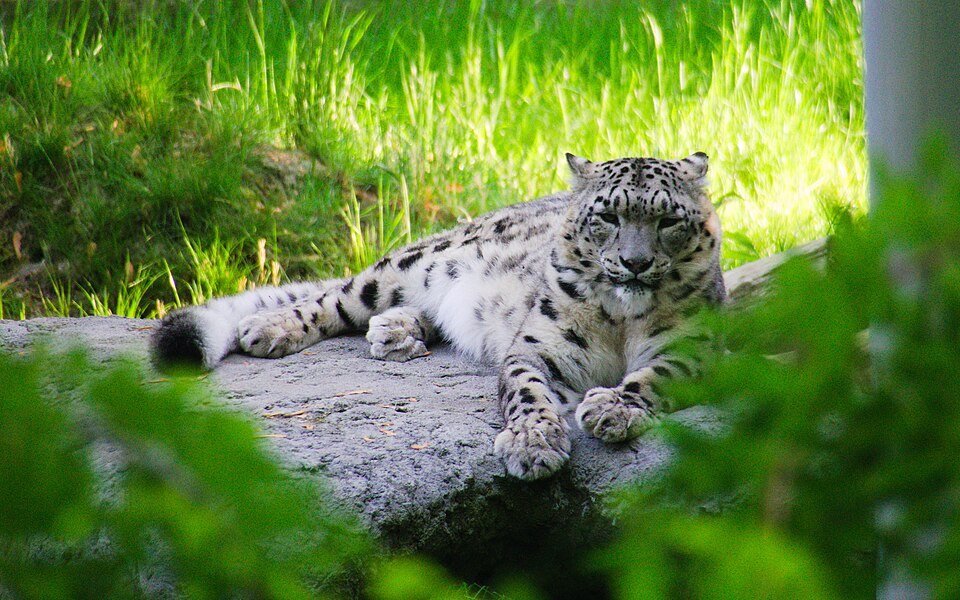
The International Day of the Snow Leopard is observed globally on 23 October to strengthen multilateral conservation efforts for the high-altitude predator. Formally proclaimed by the United Nations General Assembly, the day commemorates the 2013 Bishkek Declaration signed by 12 range countries. In India, which is home to 718 snow leopards, Ladakh hosts the largest population with 477 individuals.
What happened
The International Day of the Snow Leopard, also referred to as International Snow Leopard Day, is commemorated worldwide on 23 October 2026. The observance promotes international collaboration and targeted conservation actions to safeguard the high-altitude apex predator and its fragile mountain ecosystem. The United Nations General Assembly officially proclaimed 23 October as the International Day of the Snow Leopard through Resolution A/RES/79/143, adopted on 12 December 2024.
The observance traces its origin to 23 October 2013, when the Bishkek Declaration on the Conservation of the Snow Leopard was adopted during the first Global Snow Leopard Conservation Forum in Bishkek, Kyrgyz Republic. The declaration was signed by all 12 snow leopard range countries: Afghanistan, Bhutan, China, India, Kazakhstan, Kyrgyzstan, Mongolia, Nepal, Pakistan, the Russian Federation, Tajikistan, and Uzbekistan. This landmark pact also led to the creation of the Global Snow Leopard and Ecosystem Protection Program (GSLEP).
Snow leopards inhabit rugged high-mountain landscapes across Central and South Asia at elevations reaching up to 5,000 metres, serving as an indicator species for mountain ecosystem health. In India, the Ministry of Environment, Forest and Climate Change (MoEFCC), led by Union Minister Bhupender Yadav, marked the day alongside GSLEP and the Snow Leopard Trust through the #23for23 campaign, promoting 23 minutes of physical activity to raise conservation awareness. According to the Snow Leopard Population Assessment in India (SPAI), India hosts 718 snow leopards across Ladakh, Jammu & Kashmir, Himachal Pradesh, Uttarakhand, Sikkim, and Arunachal Pradesh, with Ladakh accounting for 477 individuals.
Important dates
| Listing under Appendix I of CITES | 1975 |
|---|---|
| Listing under Appendix I of CMS | 1986 |
| Adoption of the Bishkek Declaration | 23 October 2013 |
| Snow leopard classified as Vulnerable by IUCN | 2017 |
| UN General Assembly adopted Resolution A/RES/79/143 | 12 December 2024 |
| Global observance of International Day of the Snow Leopard | 23 October 2026 |
📌 Static GK links
- Scientific Name: Panthera uncia
- IUCN Red List Status: Vulnerable (classified in 2017)
- CITES Status: Appendix I (listed in 1975)
- CMS Status: Appendix I (listed in 1986)
- Key Global Mechanism: Global Snow Leopard and Ecosystem Protection Program (GSLEP)
- Founding International Declaration: Bishkek Declaration (2013)
- State Animal: Union Territory of Ladakh
- Snow Leopard Range States/UTs in India: Ladakh, Jammu & Kashmir, Himachal Pradesh, Uttarakhand, Sikkim, and Arunachal Pradesh
What candidates should do
- Memorize the 12 snow leopard range nations and link them to the 2013 Bishkek Declaration for multilateral treaty questions.
- Review India's national population figures from the SPAI census (718 total; 477 in Ladakh) and its distribution across the six Himalayan states and union territories.
- Note the dual Appendix I listings under CITES and CMS, as well as the IUCN Vulnerable classification, for wildlife and environment sections.
PrepZen analysis
Wildlife conservation topics regularly feature in UPSC, State PSC, SSC, and Banking examinations. UPSC Prelims frequently tests species ecology, multilateral frameworks like the Bishkek Declaration, and international conventions including CITES, CMS, and IUCN classifications. For SSC and State PSC examinations, specific factual markers such as census figures from the SPAI (718 individuals in India), state animal designations (Ladakh), and key dates (23 October) are common points of inquiry. Understanding the role of the snow leopard as a high-altitude indicator species helps candidates answer both objective questions and environment-related analytical queries.
Practice questions
Q1. The adoption of which declaration in 2013 led to the observance of International Snow Leopard Day?
Q2. According to the Snow Leopard Population Assessment in India (SPAI), what is the total recorded population of snow leopards in India?
Q3. What is the current conservation status of the snow leopard (Panthera uncia) on the IUCN Red List of Threatened Species?
The day promotes multilateral actions for high-altitude mountain predator conservation.
Snow leopards remain classified under the Vulnerable category by IUCN.
🎯 Key Point: 23 October – International Day of the Snow Leopard.
FAQs
When is the International Day of the Snow Leopard observed every year?
International Day of the Snow Leopard is observed globally every year on 23 October.
Which resolution of the United Nations General Assembly officially proclaimed this observance?
The UN General Assembly proclaimed the observance through Resolution A/RES/79/143, which was adopted on 12 December 2024.
Which Indian State or Union Territory has the highest population of snow leopards?
The Union Territory of Ladakh hosts the highest population of snow leopards in India, with 477 individuals, and recognizes the snow leopard as its State Animal.
How many countries are part of the snow leopard's natural range under the Bishkek Declaration?
There are 12 range countries: Afghanistan, Bhutan, China, India, Kazakhstan, Kyrgyzstan, Mongolia, Nepal, Pakistan, the Russian Federation, Tajikistan, and Uzbekistan.
Sources and references
- un.org (www.un.org) Official
- wildcatfamily.com (www.wildcatfamily.com)
- vajiramandravi.com (vajiramandravi.com)
- snowleopard.org (snowleopard.org)
Prepared by PrepZen for exam preparation. Consult the linked sources for original announcements and current details. Corrections policy. Spotted an error? Write to prepzen.app@gmail.com.
Practice Quiz — 23 October 2026
Q1. Who has been appointed as the next Chairman of the Oil and Natural Gas Corporation (ONGC) with effect from December 2026?
Q2. Whom did Subhas Chandra Lal Das succeed upon being appointed as the Part-Time Chairman of FSIB?
Q3. Regarding the newly added Indian sites to the UNESCO Tentative List, consider the following statements: 1. The inclusion increases India's tentative list count to 81. 2. Barren Island is listed under cultural heritage. 3. Sirpur Cultural Landscape is located in Chhattisgarh along the Mahanadi River. Which of the above statements is/are correct?
Q4. Which international entity was honored with the European Union's 2026 Sakharov Prize for Freedom of Thought?
Q5. By which year have India and Poland agreed to double their bilateral trade during Prime Minister Donald Tusk's official visit?

Keep Learning with PrepZen
Get daily current affairs, live mock tests, mistake bank, vocab builder & more — all free on your phone.